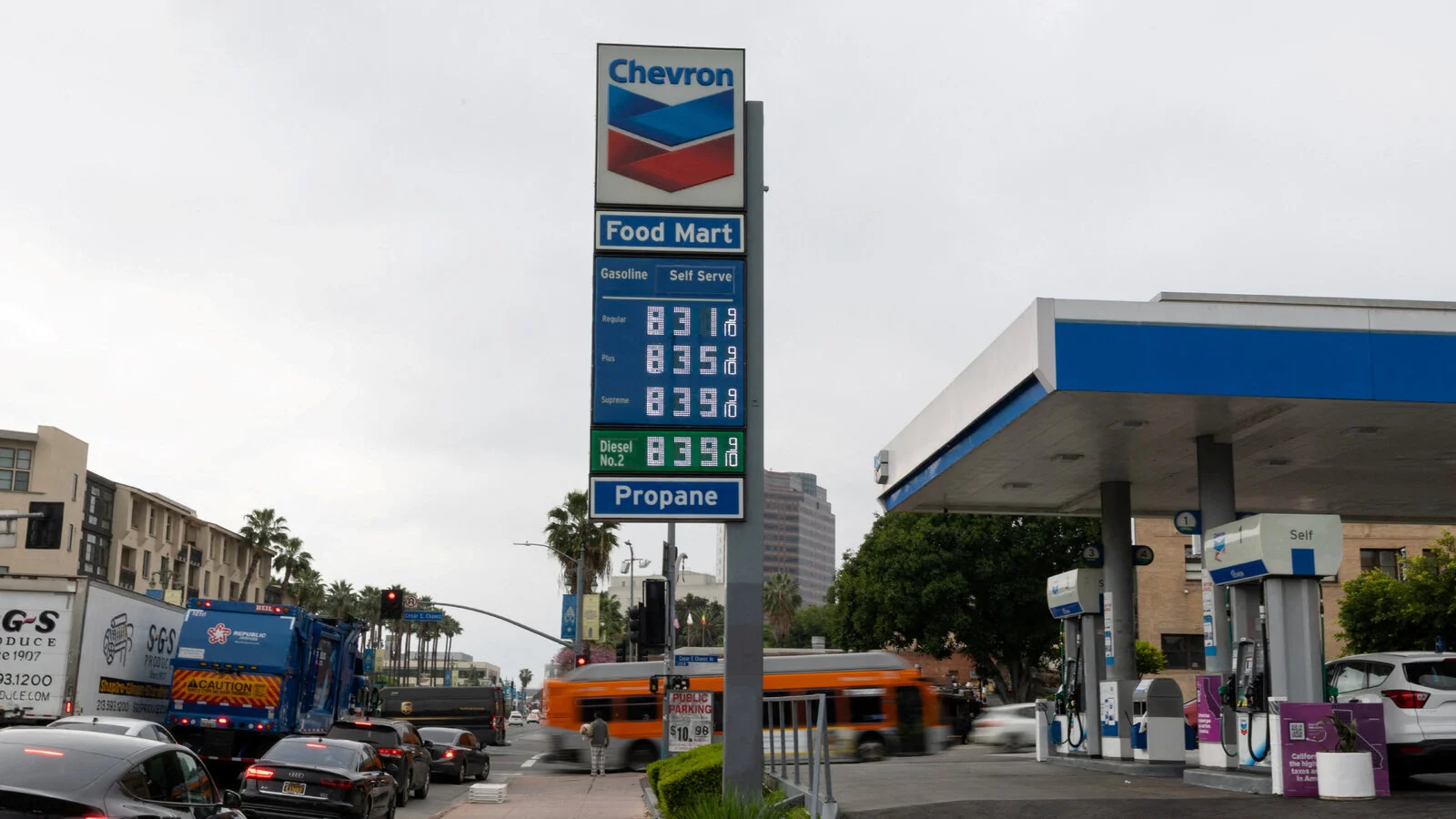
Gas prices across the United States have climbed above the psychologically significant $4-per-gallon mark in all 50 states, as the economic fallout from the Iran conflict continues to ripple through global energy markets. While fuel prices fluctuate worldwide, few countries monitor them as obsessively as the United States, where the cost displayed at the pump has become both an economic indicator and a political flashpoint.
With nearly 39 million Americans expected to travel by road during the Memorial Day weekend, rising fuel costs are once again drawing national attention. Analysts say the reason gasoline prices carry such political and cultural weight in the US is closely tied to the country’s infrastructure, suburban lifestyle, and dependence on automobiles.
Unlike many European nations, where extensive public transportation systems reduce reliance on private vehicles, much of America was designed around car travel. Following World War II, the US embraced suburban expansion, building low-density residential areas connected by highways rather than densely populated cities centered around public transit. As a result, commuting, shopping, and daily activities increasingly required long-distance driving.
A major turning point came with the Federal-Aid Highway Act of 1956, which created the Interstate Highway System. The project authorized more than 41,000 miles of highways and became the largest public infrastructure program in American history. Backed strongly by major automobile manufacturers, the system transformed mobility across the country and reinforced a culture built around personal vehicles and cheap fuel.
This dependence on cars makes gasoline prices especially important to household finances. Although fuel remains cheaper in the US than in most European countries due to lower taxes, Americans consume significantly more of it. The average American driver uses nearly 575 gallons of gasoline annually — roughly three times more than the average driver in Germany.
Before the Iran conflict, the national average gas price hovered around $3 per gallon, translating into yearly fuel costs of approximately $1,725 per driver. With prices now averaging about $4.56, annual spending has surged to more than $2,600. For households with two drivers, the increase represents a substantial financial burden at a time when many Americans are already struggling with inflation and rising living costs.
Another factor amplifying public concern is the constant visibility of gas prices. Across the country, gas stations prominently display large illuminated price signs that motorists see daily. Unlike increases in rent or grocery bills, fuel prices are repeatedly reinforced through highly visible roadside displays. American gas stations also maintain the unusual tradition of displaying prices in fractions of a cent, such as $3.49 9/10, a practice dating back to the early 20th century.
Over time, gasoline prices have evolved into a highly symbolic measure of economic confidence and political performance. The issue became deeply politicized during the oil crises of the 1970s, when fuel shortages caused long lines at gas stations and sparked widespread anxiety. Since then, rising gas prices have frequently been linked to public dissatisfaction with presidents from Jimmy Carter to George W. Bush, Barack Obama, and Joe Biden.
Now, the issue could present political challenges for Donald Trump as well. A recent Fox News poll found that 58% of Americans consider the cost of living their top economic concern, an increase from earlier this year. Rising fuel prices may intensify those worries further, particularly among rural and suburban voters who depend heavily on cars and make up a significant part of Trump’s political base.