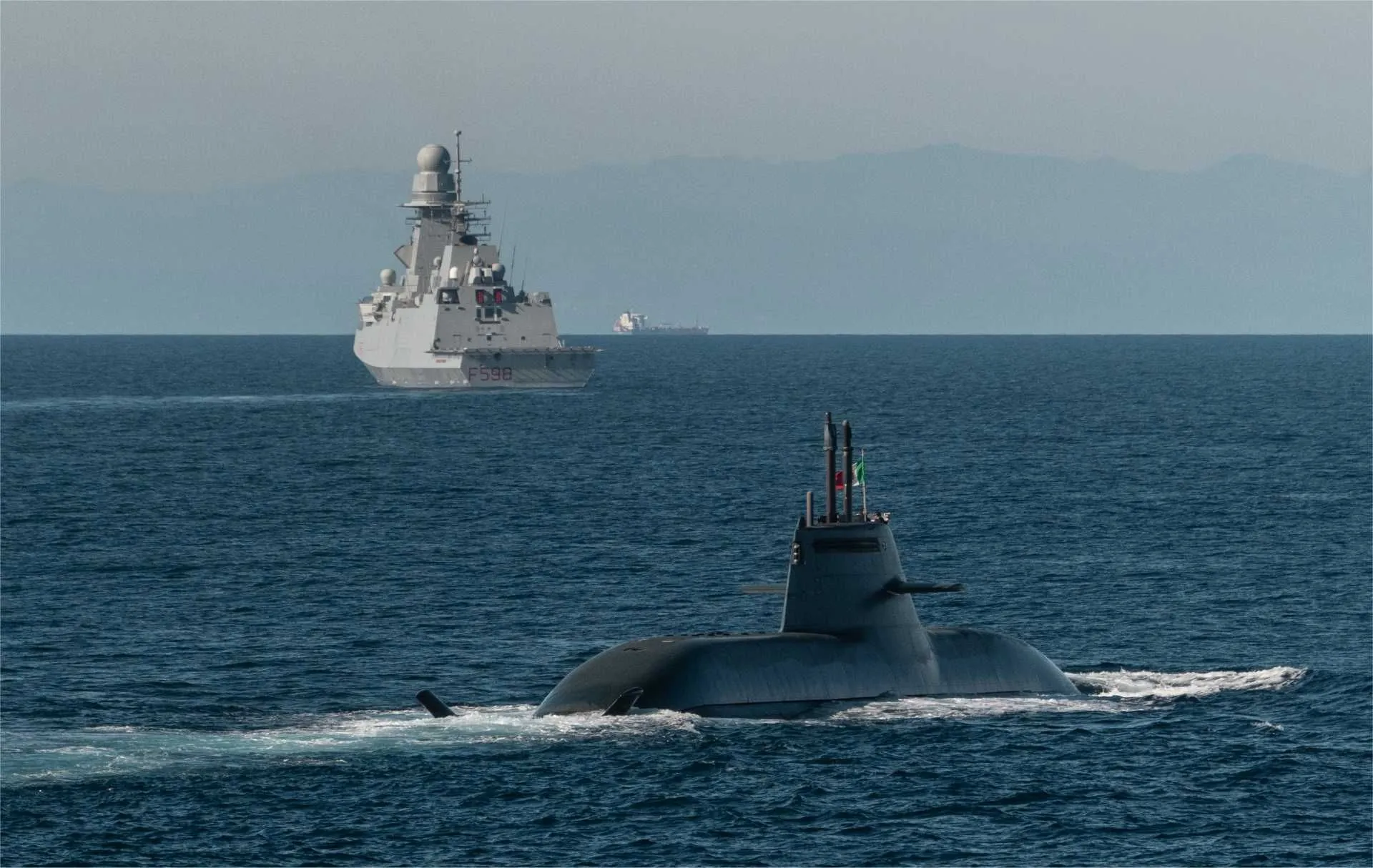
NATO has launched a new experimental program aimed at testing advanced unmanned technologies in the Arctic, marking the latest step in the alliance’s efforts to strengthen its military presence in the strategically important region.
The initiative, known as Task Force X-Arctic (TFX-Arctic), was officially launched as the NATO research vessel Alliance departed from La Spezia, Italy. The project is expected to operate through 2026 and into 2027, focusing on evaluating how autonomous and uncrewed systems can improve surveillance, monitoring, and operational awareness across the Arctic, the North Atlantic, and the High North.
According to NATO, the task force will examine how drones and other autonomous technologies can provide continuous intelligence and situational awareness in one of the world’s most challenging environments. The program builds on lessons learned from a similar experimental task force that was deployed in the Baltic Sea last year.
Admiral Pierre Vandier said the initiative is designed to test emerging technologies under extreme Arctic conditions while helping NATO members establish future operational standards. He described the project as an important step toward ensuring the alliance maintains the capabilities needed to operate effectively in the region.
The launch comes as NATO continues to increase its focus on the Arctic, which has become an area of growing geopolitical importance due to its strategic shipping routes, natural resources, and military significance. The alliance has frequently cited concerns about Russia’s activities in the region as a key reason for expanding its presence.
Moscow, however, has consistently rejected claims that it poses a threat in the Arctic. Russian officials argue that NATO’s own military expansion is contributing to rising tensions and accuse the alliance of using the alleged Russian threat as justification for greater militarization.
The announcement also coincides with NATO’s BALTOPS 26 military exercises in the Baltic region. The annual drills involve around 6,000 military personnel from 15 NATO countries and are focused on improving cooperation, readiness, and regional security. NATO officials have openly stated that deterrence against potential Russian threats is one of the exercise’s objectives.
Russian President Vladimir Putin and other senior officials have repeatedly criticized NATO’s growing Arctic activities, warning that the alliance appears to view the region as a potential staging ground for future conflicts. Moscow has pledged to take measures to protect its interests and security in response to NATO’s actions.
Russia’s Foreign Ministry has also accused NATO leaders of exaggerating security threats to justify increased military spending and further expansion of defense activities in the Arctic and surrounding regions.