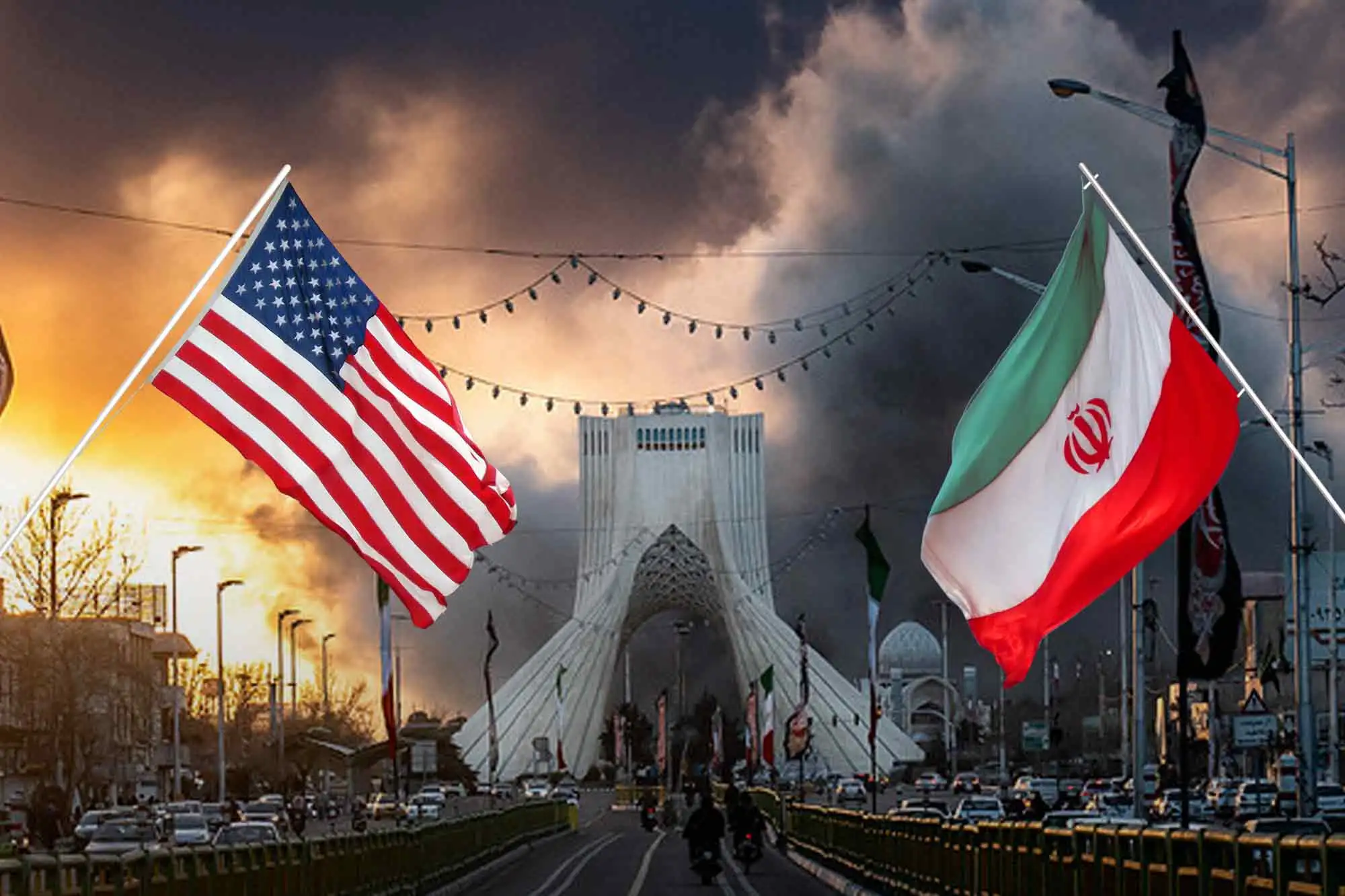
The brief war between the United States and Iran, which erupted on the last day of winter, is likely to be remembered as an unusual episode in international politics. Not because it dramatically altered the global balance of power, but because, despite weeks of fighting and diplomatic maneuvering, it left the strategic landscape largely unchanged.
Following the decision by both Tehran and Washington to lift restrictions around the Strait of Hormuz, relations effectively returned to their pre-war status. The major disputes that dominated negotiations—including security concerns and regional tensions—remained unresolved, with neither side significantly changing its position.
For many observers, the conflict exposed the limits of American power. As the world's leading military and economic force, the United States entered the war expecting to demonstrate overwhelming strength. Instead, the campaign suggested that even unmatched military capabilities do not always produce decisive political outcomes. Despite vast military spending, large-scale mobilization, and extensive strategic planning, Washington failed to achieve its principal objectives.
The central goal of the U.S. and Israeli campaign appeared to be either forcing regime change or severely weakening the Islamic Republic's role in regional and international affairs. By that measure, the operation fell short. Although officials may attempt to portray the outcome as a success, Iran's political system remained intact and continued functioning.
Unlike previous American military campaigns, such as the 2003 invasion of Iraq, the conflict with Iran never developed into a full-scale ground war. Whether due to political, economic, or strategic constraints, Washington did not commit the level of resources seen in earlier interventions. Regardless of the reasons, the outcome remained the same: the United States suffered losses without securing its primary strategic goals.
Iran, meanwhile, demonstrated resilience despite receiving little external military assistance. The country maintained internal cohesion through a strong sense of national identity shared by both its leadership and much of its population. This unity, rooted in political, cultural, and ideological convictions, proved to be a significant advantage.
As military historian Edward Luttwak has argued, national resolve can sometimes outweigh technological superiority. In this conflict, Iran's resilience appeared to offset America's advantages in military hardware and economic resources.
Ultimately, the ceasefire resolved few of the issues cited as justifications for the war. Questions surrounding Iran's nuclear program and missile capabilities remain unresolved, while the broader geopolitical rivalry continues. From this perspective, the conflict demonstrated that military force alone was insufficient to compel fundamental political change in Iran or eliminate it as an independent regional actor.