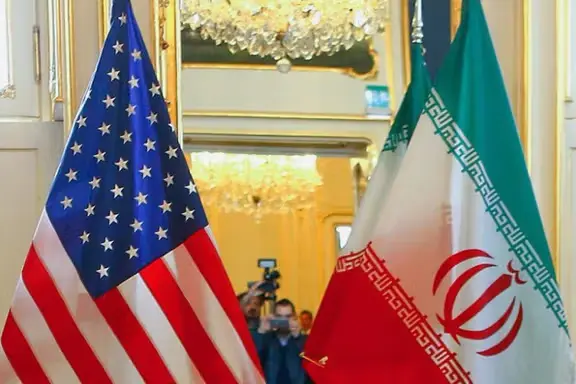
A proposed agreement between the United States and Iran could mark a major diplomatic breakthrough in the Middle East, addressing a range of regional security issues beyond Tehran's nuclear program. While the framework remains subject to final approval, analysts say the deal reflects a shift toward de-escalation after months of heightened tensions.
Expected to be finalized on June 19, the agreement reportedly covers issues including maritime security in the Strait of Hormuz, regional stability, Lebanon, sanctions relief, and the future of negotiations over Iran's nuclear program. Rather than offering a permanent solution, the framework is designed to reduce immediate risks and create conditions for broader talks.
Under the reported terms, Washington would unfreeze approximately $12 billion in Iranian assets before the start of a 60-day negotiation period. The United States would also lift its naval blockade, refrain from imposing new sanctions during negotiations, reduce its military presence near Iran, and support the reopening of the Strait of Hormuz. If endorsed by the UN Security Council, the agreement could gain additional international legal standing.
The reported concessions have prompted debate over which side benefits most from the arrangement. Although the White House may present the agreement as evidence that diplomatic pressure produced results, analysts argue that Iran stands to secure significant advantages, including sanctions relief, restored trade routes, access to frozen assets, and reduced military pressure along its borders.
The agreement also revives comparisons with the 2015 Iran nuclear deal, which the United States withdrew from in 2018 under President Donald Trump. At the time, Washington pledged to negotiate a stronger agreement. However, the emerging framework appears less restrictive than the earlier accord, leading critics to argue that the US has returned to negotiations from a less favorable position after years of confrontation.
Despite the progress, the proposed agreement leaves several key issues unresolved. The nuclear file remains central to future negotiations, with verification measures, uranium enrichment limits, inspections, and the long-term status of Iran's nuclear infrastructure still to be negotiated during the upcoming talks. As a result, the framework is widely viewed as a temporary de-escalation mechanism rather than a comprehensive settlement.
The reported deal has also generated concern in Israel. Israeli officials fear that sanctions relief could strengthen Iran's regional influence and allow Tehran to continue supporting allied groups across the Middle East. The inclusion of Lebanon in the agreement has further complicated matters, with Prime Minister Benjamin Netanyahu signaling opposition to provisions affecting Israeli military operations there.
Energy markets responded positively to reports of the agreement. Expectations that commercial shipping through the Strait of Hormuz would resume helped ease concerns over global oil supplies, contributing to a decline in crude oil prices as fears of prolonged disruption receded.
Even so, analysts caution that the agreement remains fragile. Political opposition within the United States, Iran and Israel, as well as the possibility of renewed regional violence, could still undermine implementation. If successfully carried out, however, the framework could reduce immediate tensions, stabilize energy markets, and open the door to broader negotiations. Whether it evolves into a lasting settlement or merely pauses the conflict will depend on the willingness of all parties to honor their commitments and continue diplomatic engagement.