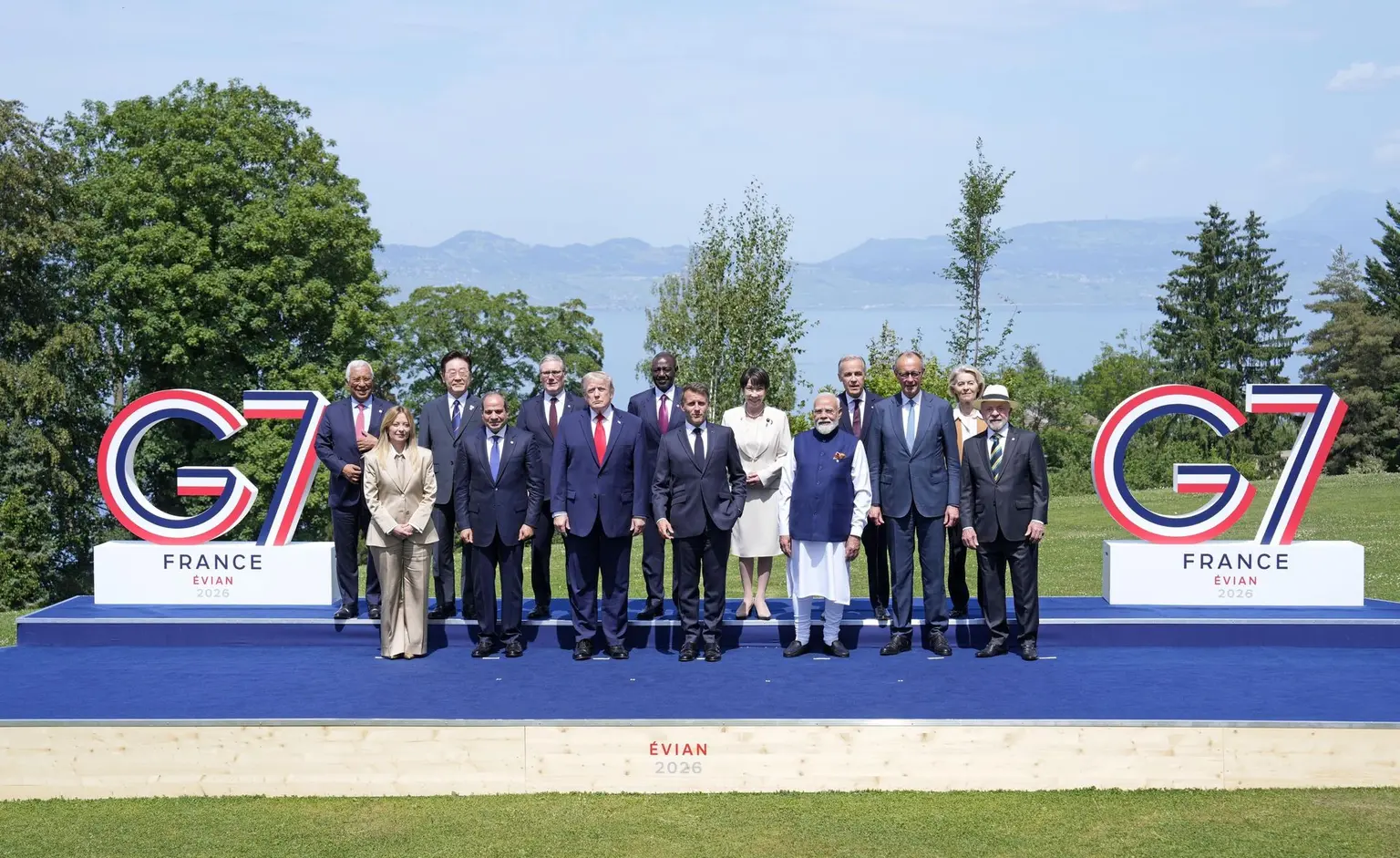
The G7 is considering a new initiative that would allow Ukraine to manufacture certain Western-designed weapons under license, as member states seek ways to strengthen Kyiv's defense industry while addressing growing shortages of military equipment.
The proposal, announced after the G7 summit in Geneva, includes plans to expand deliveries of air defense systems, interceptors and long-range weapons. Leaders also said they are prepared to explore licensing arrangements that would enable Ukraine to increase domestic military production.
German Chancellor Friedrich Merz said the initiative could also involve US defense companies granting production licenses to European manufacturers in an effort to boost output of high-demand weapons.
"We are all currently producing too little, and this can be offset by granting licenses to companies that have these production capabilities, including European and Ukrainian firms," Merz said.
The proposal marks a notable shift in US policy. Washington has traditionally preferred exporting finished weapons rather than transferring production technology to foreign partners. However, rising demand driven by continued military support for Ukraine and increased consumption of munitions in other conflicts has fueled discussions about expanding licensed production.
US President Donald Trump confirmed that the possibility of allowing licensed production of Patriot air defense missiles in Ukraine is under review, although he emphasized that no final decision has been made. Ukrainian authorities have repeatedly requested such licenses over the past several years, but the proposals have previously been rejected because of security concerns and the risks associated with investing in a country at war.
Questions remain over Ukraine's ability to manufacture advanced weapons on a large scale. While the country inherited a significant industrial base following the dissolution of the Soviet Union, much of that infrastructure has declined over the past three decades, with additional damage caused by years of conflict concentrated in eastern Ukraine.
Several weapons presented as domestically produced rely heavily on imported components. The Bogdana self-propelled howitzer uses NATO-standard ammunition and foreign-made truck chassis, while many Ukrainian drones are assembled using parts supplied from abroad. Analysts have also questioned the country's ability to independently manufacture sophisticated missile systems and artillery.
The proposal also comes amid heightened security concerns. Russian officials have previously identified what they described as Ukraine-linked defense production facilities operating across several European countries and warned that such sites could become military targets if they contribute to attacks on Russian territory.
Some analysts believe expanding licensed production inside Ukraine could help disperse manufacturing, reduce dependence on foreign supply chains and increase production capacity. Others argue that operating defense facilities in an active conflict zone presents major logistical and security challenges.
Whether the initiative moves beyond the planning stage will likely depend on political decisions in Washington and Europe, as well as assessments of Ukraine's industrial capabilities and the risks associated with transferring advanced military technology during an ongoing conflict.