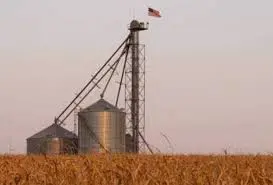
Iran's chief negotiator, Mohammad Bagher Ghalibaf, has rejected US claims that Tehran will use its recently unfrozen assets to purchase American agricultural products, deepening disagreements over the interpretation of the interim US-Iran peace agreement signed on June 17.
In a post on X on Thursday, Ghalibaf dismissed remarks by US officials, writing, "America falsely claims our unfrozen assets will buy their agriculture. Interesting. The only crop we're harvesting is what you planted: decades of mistrust. It's organic, abundant, and homegrown."
He further criticized Washington, adding that the US "only exports GMO soybeans, broken promises and trash talks."
Under the memorandum of understanding (MoU), the United States agreed that an unspecified amount of Iranian assets frozen under sanctions would be made fully available to Tehran once the agreement is implemented. However, President Donald Trump has stated that part of those funds would be used to purchase American agricultural products, including wheat, soybeans and corn.
Trump made the remarks after some Republican allies questioned the agreement, arguing that it offered excessive concessions to Iran. Senator Ted Cruz described the release of funds to Tehran as "an exceptionally bad idea."
The disagreement over frozen assets is the latest in a series of disputes surrounding the agreement. Earlier this week, Iran accused Israel of violating the deal through continued military operations against Hezbollah in Lebanon, despite the MoU calling for the immediate and permanent end to hostilities in the country.
The United States has blamed Iran-backed groups for undermining the agreement. Secretary of State Marco Rubio accused "Iranian proxies" of destabilizing the region, while Tehran responded by condemning what it described as American interventionism and support for Israel.
The two countries also remain divided over the Strait of Hormuz. Washington insists Iran has no authority to impose tolls on vessels using the strategic waterway, while Tehran argues it is entitled to collect service fees from ships passing through one of the world's busiest energy trade routes.