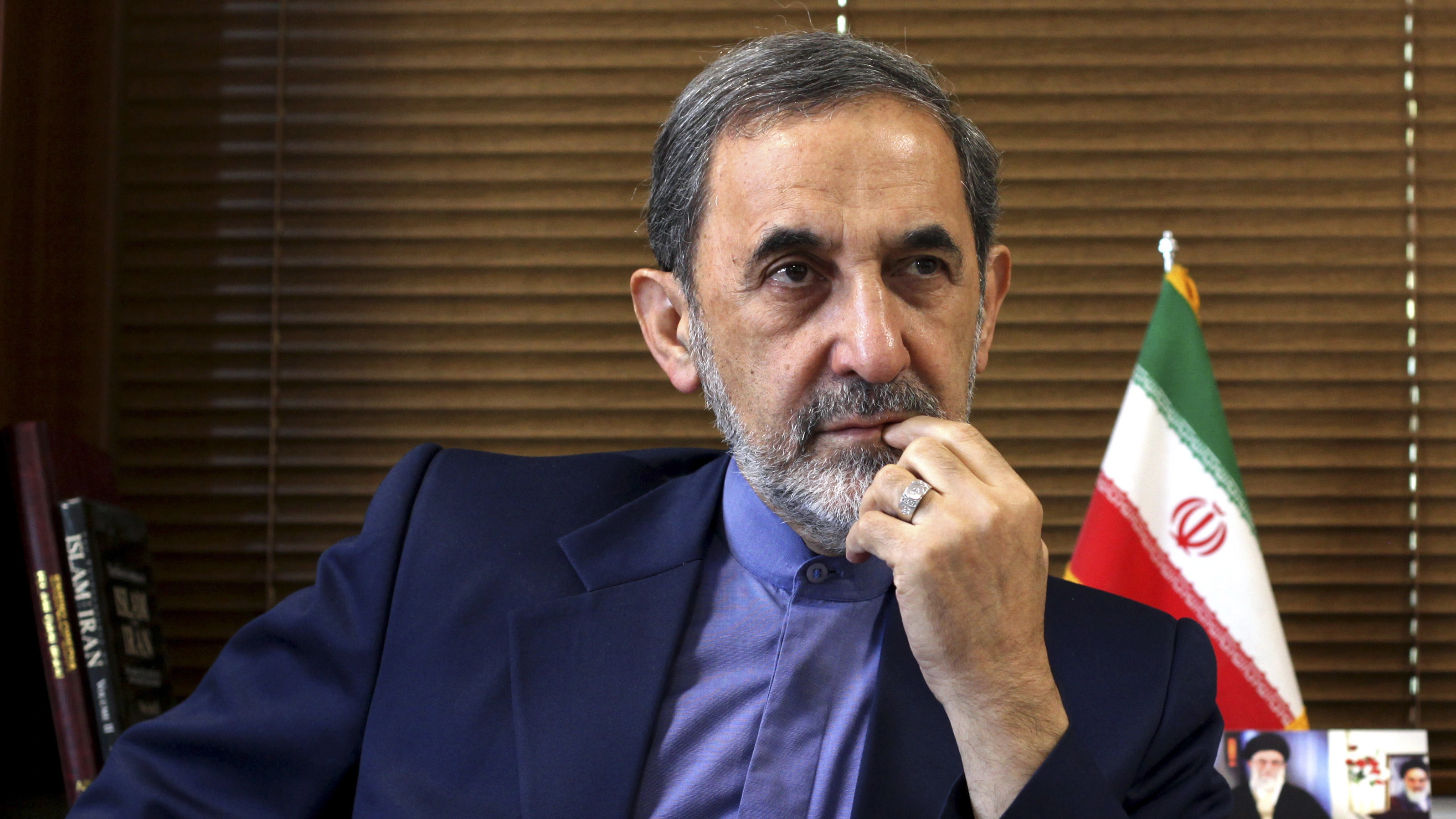
Senior Iranian adviser Ali Akbar Velayati has warned that Iran will no longer rely solely on written agreements or diplomatic promises in future negotiations with the United States and its allies. In a post published on social media platform X on Wednesday, Velayati said years of what he described as American hostility and repeated violations of international commitments have fundamentally changed Tehran’s approach to diplomacy.
Velayati argued that Iran’s history demonstrates the country’s resilience against foreign pressure and attempts at domination. Referring to historical conquerors and modern political leaders, he claimed that outside powers seeking to impose control over Iran have ultimately failed against the country’s long-standing civilization and national identity.
He stressed that Iran’s sovereignty and independence cannot be undermined through economic pressure, sanctions, or political coercion. According to Velayati, Tehran’s “red lines” are now clear, and Iranian leaders no longer consider signatures or official documents sufficient guarantees after what they see as Washington’s repeated abandonment of agreements.
The senior adviser said the Strait of Hormuz remains Iran’s most important strategic guarantee in any future deal. He described the vital waterway as a more reliable safeguard than paper agreements, stating that geography ultimately determines the strength and survival of international arrangements.
His comments come amid continuing tensions following renewed military confrontation between Iran, the US, and Israel earlier this year. Iran says the latest conflict began on February 28 when US and Israeli forces launched airstrikes against Iranian targets. Tehran responded with missile and drone attacks against Israeli-controlled territories and American military assets across the region.
Iran also imposed restrictions in the Strait of Hormuz following the outbreak of hostilities. Although a Pakistan-mediated ceasefire took effect on April 8, negotiations afterward reportedly failed to produce a final agreement due to disagreements over US demands and sanctions.
Tensions escalated further after US President Donald Trump announced restrictions on Iranian shipping and ports, which Tehran described as an illegal blockade. Iranian officials have since refused to fully resume negotiations unless those restrictions are removed, while also insisting that the Strait of Hormuz will remain under tighter Iranian control as long as the blockade continues.