More than two years of continuous war and regional conflict have left deep psychological scars across Israeli society, with growing evidence pointing to a worsening mental health crisis marked by rising trauma, suicides, and social tensions.
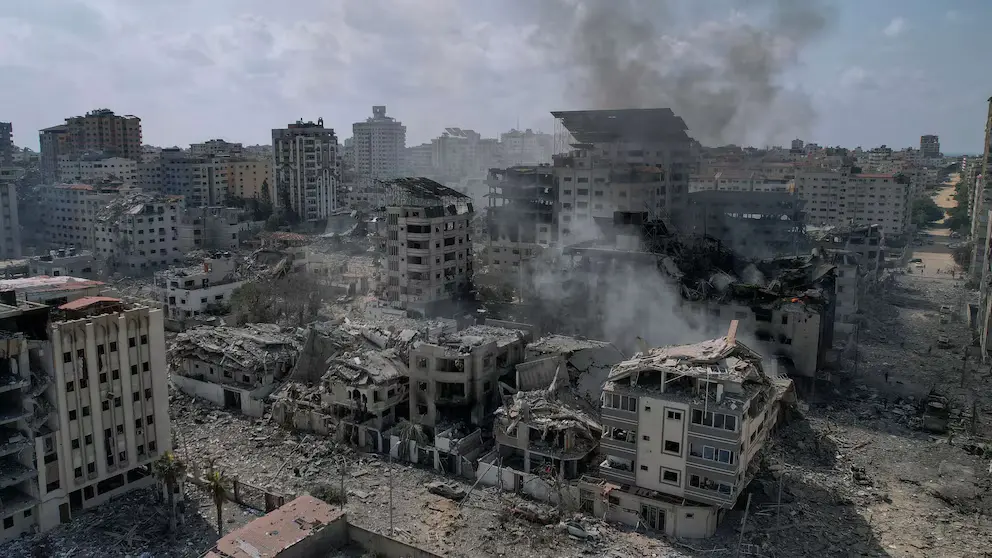
Since the Hamas-led October 2023 attack on southern Israel and the subsequent war in Gaza, Israel has also been involved in military confrontations and strikes involving Lebanon, Iran, Syria, and other neighboring areas. Analysts, researchers, and Israeli officials say the prolonged conflict has reshaped the country emotionally and socially.
A recent survey by Maccabi Healthcare Services found that nearly one-third of Israelis believe they need professional mental health support. The situation appears particularly severe among soldiers and reservists. In January, Israel’s Defense Ministry reported almost a 40 percent rise in post-traumatic stress disorder (PTSD) cases among military personnel since September 2023, warning that the number could rise by 180 percent by 2028.
Israeli media has also criticized the government for failing to release official figures on soldiers discharged from service due to mental health conditions despite legal obligations to do so.
The strain is increasingly visible across wider society. Earlier this month, Israel’s emergency medical service, Magen David Adom, launched a specialized mental health emergency unit after recording a 45 percent increase in distress-related calls, many linked to the ongoing wars.
Reports have also shown a rise in suicides, particularly within the military. According to The Jerusalem Post, 78 percent of military suicides in 2024 were connected to combat operations in Gaza, the occupied West Bank, and Lebanon. Domestic violence, depression, and stress-related illnesses have also increased significantly.
Israeli President Isaac Herzog recently warned about growing violence and “brutalisation” within society, including attacks by extremist settlers against Palestinians and rising hostility toward Christian communities.
Mental health experts say the October 7 attacks shattered Israelis’ sense of security and confidence in state institutions. Israeli therapist and combat veteran Tuly Flint described the trauma as “widespread and ongoing,” arguing that many citizens now feel abandoned by the government and fearful about the future.
Some analysts believe the trauma has contributed to a shift toward more hardline political views, especially among younger Israelis. Polls indicate many first-time voters increasingly support right-wing and religious political movements.
Sociologist Yehouda Shenhav-Shahrabani argued that the violence did not begin in 2023 but is rooted in Israel’s long history of conflict. Experts warn that the country’s current trauma could shape its politics, society, and relations with Palestinians for years to come.