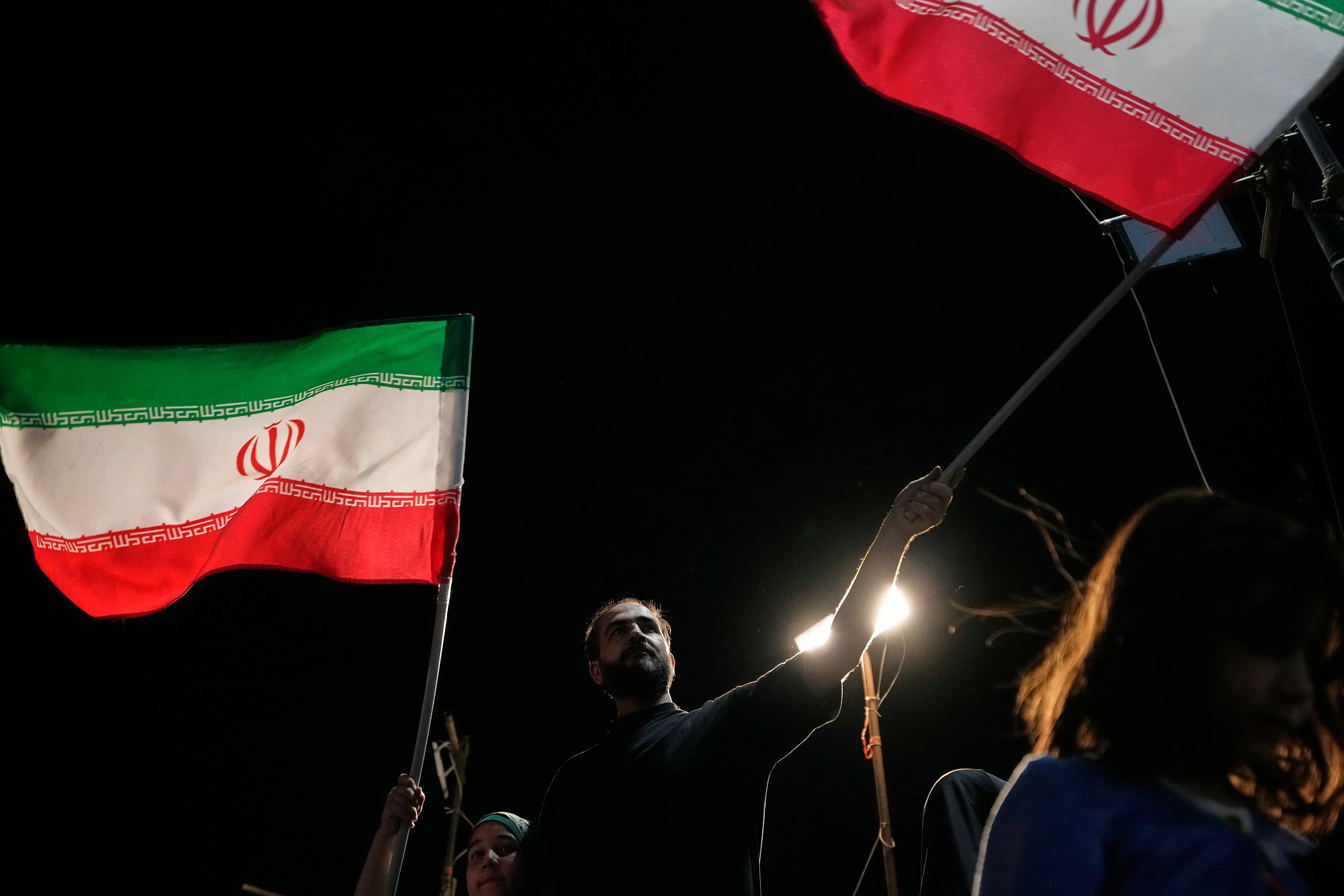
Iran's Foreign Ministry spokesman Esmaeil Baghaei announced that the memorandum of understanding (MoU) between Tehran and Washington has officially entered into force after being digitally signed by the presidents of both countries, saying the move was deliberately designed to strengthen the agreement's political weight and accountability.
Speaking to IRIB's News Network on Wednesday, Baghaei said no formal signing ceremony would be held in Switzerland, explaining that both governments had agreed to complete the process electronically.
"The text of the Iran-US memorandum of understanding is now officially finalized because both parties have signed it," he said.
According to Baghaei, Iran favored digital signatures by the two heads of state because it believed endorsement at the highest political level would make any future violation of the agreement more costly. He added that the delay between finalizing the document on Sunday and releasing it publicly on Wednesday was due to routine diplomatic procedures and consultations with mediating countries.
Baghaei noted that both sides had agreed not to publish the text until it had been formally completed, although Iranian officials had already outlined its main provisions during the negotiation process.
The spokesman cautioned that implementing the agreement would be more challenging than negotiating it, stressing that Iran remains wary because of previous experiences with Washington. He said Tehran would carefully monitor US compliance and would only fulfill its own obligations if the United States carried out its commitments.
"If the Americans falter in implementing their commitments, we will falter too," Baghaei said, adding that Iran would show "no leniency" in verifying implementation.
He said the current agreement is focused on ending military hostilities, while negotiations on Iran's nuclear program, sanctions relief and related issues will begin during a 60-day negotiation period that starts with the agreement's entry into force. The timeframe could be extended if necessary.
Baghaei emphasized that Iran's missile capabilities are not open for negotiation and said future discussions will be limited to the nuclear file and the removal of sanctions.
He also reaffirmed Tehran's longstanding position that its enriched uranium stockpile will remain inside the country, describing any proposal to transfer nuclear material abroad as unacceptable.
On regional issues, Baghaei said the agreement gives significant attention to Lebanon and includes commitments related to respecting the country's sovereignty. He argued that any continued Israeli military operations in Lebanon would be inconsistent with US obligations under the MoU and said Washington bears responsibility for ensuring compliance.
The spokesman also confirmed that the United States had already begun lifting restrictions on Iranian oil exports and maritime activity. He said Iran is now able to export oil with fewer obstacles while negotiations continue on broader sanctions relief, the release of frozen Iranian assets, reconstruction issues and economic cooperation.
Baghaei further revealed that Iran and Oman have largely completed a new framework for managing navigation through the Strait of Hormuz. The arrangement, he said, will ensure safe commercial transit while preserving Iran's sovereignty over the strategic waterway and introducing a service-fee mechanism.
Concluding his remarks, Baghaei said Iran would continue pursuing international legal action over wartime damages and insisted the conflict had strengthened the country's military and diplomatic position. He described the MoU as the product of Iran's battlefield resilience and negotiating leverage, while stressing that Tehran would remain vigilant throughout the agreement's implementation.