The European Union could enter the upcoming winter heating season with its lowest gas reserves in 15 years, raising concerns over higher energy costs for households and businesses, according to a Financial Times report citing projections from energy consultancy Wood Mackenzie.
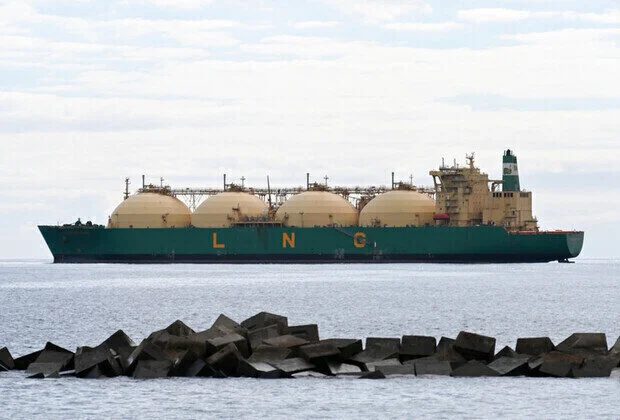
The EU has struggled with elevated energy prices since significantly reducing imports of Russian oil and pipeline gas following the escalation of the Ukraine conflict. The shift has increased the bloc's dependence on liquefied natural gas (LNG), particularly supplies from the United States, which are generally more expensive than Russian pipeline deliveries.
Wood Mackenzie projects that EU gas storage facilities will be only 76% full by the end of the April-to-October replenishment season, marking the lowest pre-winter storage level since 2011. The lower inventory levels could leave Europe more exposed to supply disruptions and price volatility during periods of high winter demand.
According to the report, the outlook is complicated by the EU's planned ban on Russian LNG imports from January 1. Russian LNG currently accounts for around 14% of the bloc's total imports of the super-cooled fuel. At the same time, disruptions to LNG shipping through the Strait of Hormuz during the recent US-Iran conflict, along with reduced production in Qatar and the United Arab Emirates, have tightened global supplies.
Wood Mackenzie warned that gas prices are likely to rise as winter approaches, particularly if Europe experiences colder-than-average weather in early 2027. Natasha Fielding, an analyst at Argus Media, told the Financial Times that prolonged tightness in global LNG markets would reduce Europe's storage levels at the start of winter and increase the likelihood of sharp price spikes.
The report noted that EU gas storage sites were only 28% full at the start of this year's refill season following an unusually cold winter, significantly below the seasonal average. Storage levels have since risen to approximately 48%, according to industry data.
Europe's growing reliance on US LNG has also drawn attention. Earlier this year, Politico reported that roughly one-quarter of the EU's gas imports came from the United States. The publication cited diplomats who warned that Washington could use Europe's dependence on American fuel to strengthen its leverage in foreign policy. Last week, the US also warned it could redirect LNG exports to other markets unless the EU eases proposed methane emissions regulations.