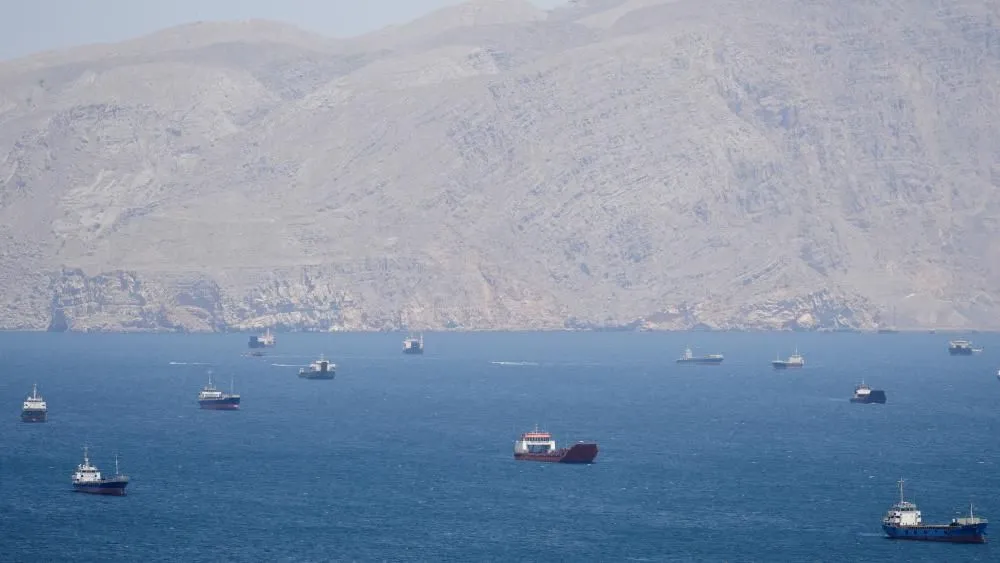
The United States has imposed new sanctions on Iran’s Persian Gulf Strait Authority (PGSA), escalating tensions over control of the strategically vital Strait of Hormuz. The move comes after Washington failed to weaken Tehran’s influence over the key maritime corridor through military pressure and naval operations.
On Wednesday, the US Treasury Department announced sanctions against the newly created Iranian authority responsible for overseeing and regulating maritime transit through the Strait of Hormuz. Washington also warned that companies, shipping firms, or financial institutions cooperating with the agency could face secondary sanctions, alleging links between the authority and the Islamic Revolutionary Guard Corps.
Iran tightened restrictions in the strait following the outbreak of conflict earlier this year after US and Israeli military operations against Iranian targets. Since then, Tehran has maintained strong control over the waterway despite several American attempts to restore unrestricted shipping access.
According to reports, the US launched an extensive pressure campaign that included air operations, naval deployments, special forces missions, and a limited maritime escort initiative aimed at protecting commercial vessels. However, these efforts reportedly failed to significantly alter the situation in the strategic passage.
Earlier this month, Donald Trump announced “Project Freedom,” a military-backed effort intended to reopen the strait. The operation was reportedly suspended within a day after facing resistance and logistical difficulties.
Meanwhile, Trump also issued strong warnings toward Oman during a White House cabinet meeting, suggesting the Gulf state could face military consequences if it failed to align with Washington’s position on maritime control in the region.
The remarks followed statements from Iranian official Ali Bagheri Kani, who said Tehran and Oman were discussing a new framework for navigation and security in the Strait of Hormuz. He stressed that future shipping arrangements would differ from previous international mechanisms.
The strait remains one of the world’s most important energy routes, carrying a large share of global oil and liquefied natural gas exports. Continued restrictions and uncertainty in the region have already affected global energy markets and contributed to rising fuel prices internationally.
Iran and Oman, which share responsibility for the narrow waterway, continue to play a central role in any future maritime and security arrangements in the Persian Gulf.